Travelling as a group becomes far easier when everyone stays together, and that’s exactly why many families rent a minivan in Morocco. Instead of juggling multiple taxis or coordinating public transport, a single vehicle gives you full control over your schedule, luggage, and daily plans. Our guide helps you choose the right vehicle, understand rental requirements, manage costs, and drive safely.
When booking a minivan for a family, consider seating, seatbelts, luggage space, and comfort for long drives. You should check the vehicle category carefully because a “7-seater” can have small rear seats, and the boot can shrink significantly when all seats are up. Many rental fleets in Morocco offer people carriers (sometimes called MPVs) with flexible seating for families.
When booking online through a rental platform, many vehicles in Morocco are manual by default. If you cannot drive a manual, make sure to filter for automatic cars early in your search.
Also, check that the vehicle has strong and reliable air conditioning, because city traffic and summer heat can make a big cabin uncomfortable. Even when a company offers child seats, availability can be limited, so pre-booking is important.

Car hire in Morocco involves a paperwork process where the rental desk checks your identity, licence validity, and who is allowed to drive. Most car rental companies set a minimum age and driving experience requirements that may be stricter than the legal minimum. Also, there are stricter eligibility requirements for drivers, especially for larger vehicles.
Your basic document set is usually simple. Bring your passport (or an accepted identity document) and your driving licence for the main driver and any extra drivers. Some companies clearly require a full and valid driving licence plus a passport or identification at pick-up.
If your licence is not in the Roman alphabet, you must support it with an international driving permit (IDP). Some providers also require a minimum holding period for your licence.
For UK drivers, the rules have an extra layer. You need the 1968 version of the IDP together with your UK driving licence, and you must arrange it before travelling. If you plan to rent a minivan in Morocco, check this requirement to avoid last-minute issues.
Finally, plan for driver eligibility. Minimum age can vary by brand and vehicle category, and a young driver fee can apply. Also, check how long you must have held your licence, as driving experience requirements can vary depending on the provider.
The car hire price in Morocco is not only a daily rate. The technical parts are: what is included in the cover, your financial responsibility, and how the security deposit is handled. You must clearly understand insurance coverage and liability limits before confirming your booking.
Your rental will normally include some insurance, but damage cover can be limited. A common term is CDW (collision damage waiver), which reduces your financial responsibility if the vehicle is damaged, provided you follow the terms of the agreement.
Car rental companies usually require a credit card in the main driver’s name and use pre-authorisation so the funds are held and unavailable during the rental. This is a key detail when you rent a minivan in Morocco.
Ask a simple question before you pay: “What exactly am I paying if the minivan gets scratched?” If the excess is high, you can consider extra waivers to reduce your exposure. Some providers offer options to reduce financial responsibility in accidents.
Airport desks in Morocco reduce transfers, but picking up in the city can be easier if you do not want to drive in heavy traffic on day one. Your best option depends on arrival time, luggage, and your travel plan when you rent a minivan in Morocco.
If you pick up at the airport, look for official on-site desks. For example, there are many rental companies at Marrakech Menara Airport, which is helpful for families needing a clear and organised starting point.
If you are landing late, check opening hours and after-hours procedures. Booking ahead is recommended, especially for larger vehicles. You can explore the city first, then pick up your vehicle later at a city office to avoid stressful driving in busy areas.
Also, ask about one-way rentals. Some providers allow different drop-off locations, but fees may apply. Always align your pick-up and return timing with daylight for easier vehicle inspection and visibility.
Driving rules in Morocco are simple, but you must stay alert. Speed limits change, so always follow posted signs. Typical limits include lower speeds in towns and up to 120 km/h on motorways.
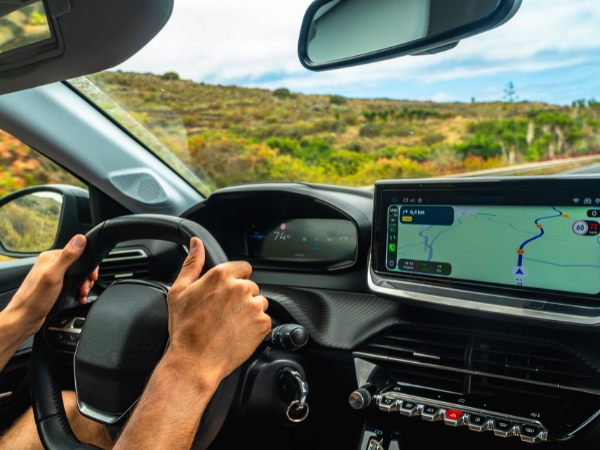
For long drives, you may use toll motorways. Some systems allow faster passage using electronic payment tags. Ask your provider how tolls are handled when you rent a minivan in Morocco.
Inside the car, focus on safety basics. Seatbelts are required for everyone, and children should be properly secured in appropriate seats.
Finally, avoid risky situations. Driving at night can be dangerous due to poor lighting, and bad weather can affect road conditions. Plan journeys in daylight and keep a safe distance from other vehicles.
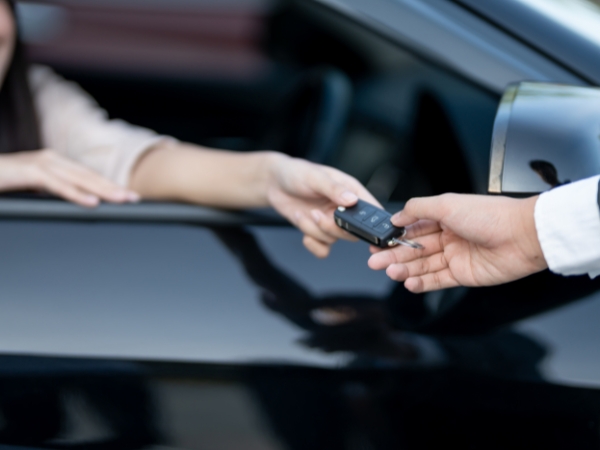
A good rental experience depends on inspection at pick-up and return. At pick-up, check the vehicle carefully with the agent. Look at the bumpers, wheels, mirrors, and interior, and ensure any damage is recorded. This step protects you when you rent a minivan in Morocco.
Take clear photos and videos, including shots of the dashboard and the fuel level. This provides clear evidence of vehicle condition if needed later.
Confirm the fuel policy and ask where the nearest petrol station is. Also, check for emergency equipment such as a warning triangle and reflective vest, which are important for roadside safety situations.
If an incident occurs, complete the required accident form signed by both parties. Upon return, clean the vehicle, remove belongings, and check for new damage. Always request written confirmation to ensure a smooth and documented return process.
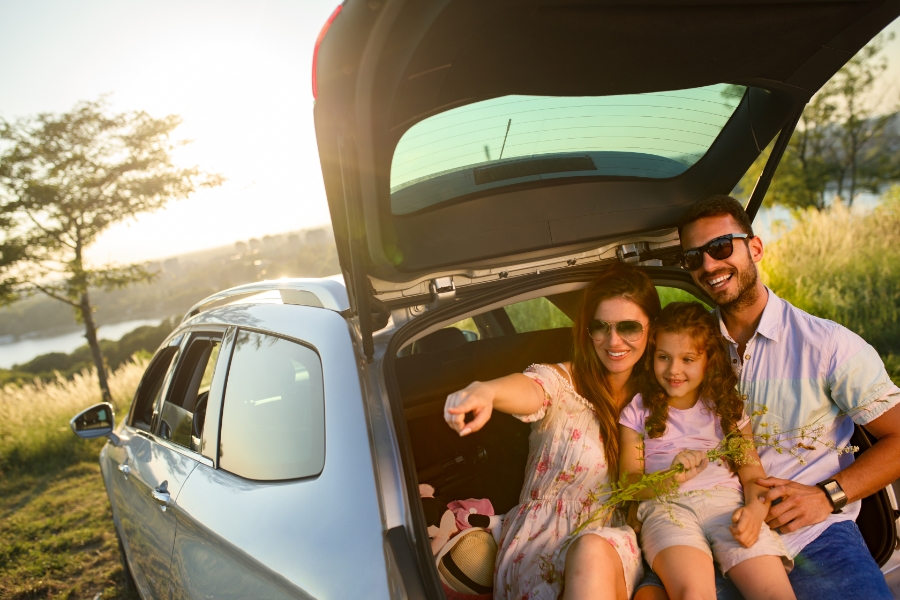
When you rent a minivan in Morocco, you give your family the comfort of travelling together in one shared space. A little planning at the start can make the whole trip smoother, from pick-up to return. Choose comfort over the cheapest option, stay flexible, and focus on keeping everyone relaxed and enjoying the journey.
Rent a car in Morocco with Final Rentals to enjoy benefits like unlimited mileage, included insurance, and clear pricing. Select your pickup location, enter your travel dates, and choose a vehicle for your trip. Book and manage your car rental at any time. Download the Final Rentals app on Google Play and the App Store.
If your licence is not in the Roman alphabet, you may need an international driving permit to support it. If you are a UK driver, you need the 1968 IDP along with your licence, arranged before travel.
Many providers offer child seats as an optional extra, but availability can be limited. Booking early is recommended. Children should always be secured in appropriate, correctly installed safety seats for maximum protection.
It can be safe if you drive defensively, maintain distance, and avoid night driving on poorly lit roads. Follow speed limits, stay alert, and take breaks to ensure safe and comfortable long-distance travel.