Finalrentals Blog

Published in Explore Category.
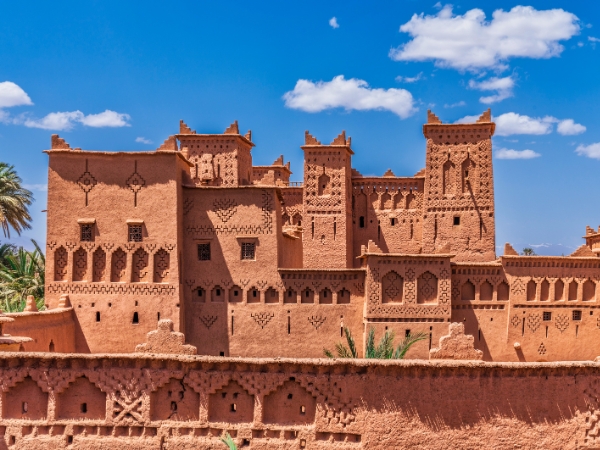
A trip to Zat Valley offers a different view of Morocco than the busy streets and souks of Marrakech. You follow the N9 southeast towards Aït Ourir, then turn into the High Atlas foothills towards Tighdouine. Booking a Marrakech car rental lets you follow the surfaced road and stop safely for photographs. Then leave your car near the village and explore on foot.
You won't find large attractions at every turn. Instead, you'll find traditional markets, pottery workshops, natural springs, and paths beside the Zat River. Our guide covers the driving route, worthwhile stops, rental conditions, and tips to help you plan your day.
Driving from Marrakech to the Zat Valley

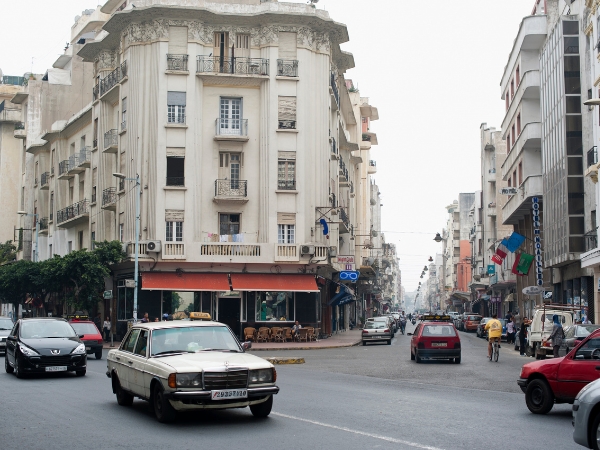
From central Marrakech, head southeast towards the N9, which leads towards Ouarzazate. Expect busy junctions and roundabouts on the way out, alongside scooters, pedestrians and local traffic. Keep checking your mirrors, especially before turning or changing lanes.
Once you reach the outskirts, you pass farmland across the Haouz plain, with the High Atlas Mountains ahead. The N9 is generally easier to follow than the streets around Marrakech, although vehicles can enter from smaller roads. Maintain a steady speed and watch for people crossing near villages. If you're new to driving in Morocco, take particular care at junctions and avoid rushed overtaking.
Driving Through Aït Ourir and Turning Onto the P2016
Use Aït Ourir as your main reference point. Tighdouine lies about 26 kilometres beyond the town, reached through a signed turn from the N9 onto the P2016. You'll leave the main traffic heading towards Ouarzazate and enter a smaller road serving local villages.
Before continuing, check that your navigation is directing you towards Tighdouine rather than farther south on the N9. Save the village as your destination instead of relying only on a general valley search.
Following the P2016 Through the Zat Valley
During your trip to Zat Valley, the P2016 takes you past olive groves, fields and traditional Amazigh villages. You will see terraces beside the Zat River and, farther uphill, walnut and fig trees among the cultivated slopes.
The approach to Tighdouine is surfaced, but road widths, bends and village traffic vary. Slow down where you cannot see around a corner, and stay well within your lane. If you want a photograph, find a safe place to stop fully away from moving traffic. Never park on a bend or block access to farmland.
Driving Beyond Tighdouine and Returning to Marrakech
Tighdouine is a sensible turnaround point for an ordinary hire car. Beyond the village, access to upper-valley hamlets can involve rocky tracks, ruts or water-damaged sections. Conditions can worsen after rain, so don't assume a route shown on your map is suitable for driving.
An SUV or four-wheel-drive car doesn't change the limits of your rental agreement. Park where it's permitted and continue walking if you want to visit more remote places. For the return, follow the P2016 back towards Aït Ourir and rejoin the N9 for Marrakech. This avoids an unfamiliar mountain shortcut late in the day.
Distance, Driving Time, and Day Trip Schedule
The journey from Marrakech to Tighdouine covers around 50 kilometres and takes about 1.5 hours each way in normal conditions. City traffic, market activity, and slower mountain sections can extend your drive. For a full-day trip to Zat Valley, leave around 8:00 A.M. or 8:30 A.M. You could arrive mid-morning, visit the souk or village, walk nearby trails, and stop for lunch. Aim to begin your return around 4:00 P.M., adjusting the plan for daylight and weather.
Best Places to Visit on a Zat Valley Road Trip
You'll see more of the valley by combining the drive with short walks. Tighdouine is the main starting point for the market, pottery village, springs, and nearby river trails.
Tighdouine Village and Its Weekly Souk
Tighdouine is an important stop in the valley. Every Wednesday, its traditional souk draws people from surrounding mountain villages. Traders sell produce, spices, livestock, tools, and other everyday goods. You're visiting a working local market, not a place set up mainly for tourists.
On Wednesdays, expect more people and cars around the village. Find a suitable parking spot, keep entrances clear, and explore the stalls on foot. Ask before photographing traders or their goods. The village is quieter on other days. If you're more interested in walking or the surrounding landscape, you may prefer a visit outside market hours.
Talatast Pottery Village

Across the river from Tighdouine, Talatast is known for traditional handmade pottery using local clay. You'll usually reach its workshops along village paths, so check the walking route before you set off.
With local arrangements, you may be able to watch artisans shape and fire clay using skills passed through generations. Workshops are places of work, so greet the potters, ask permission before taking photographs, and agree on purchases directly.
The walk passes agricultural terraces and gives you views of the river and neighbouring villages. A local guide can help you find workshops, particularly because the footpaths aren't clearly marked for visitors. If you're visiting on Wednesday, some potters may be at Tighdouine's market instead.
Sidi El Wafi Natural Springs
The Sidi El Wafi springs, also called Sidi El Ouafi, are near Tighdouine. They are known for naturally sparkling mineral water. Several springs are found in the area, with small restaurants and stalls near the main site.
You can cross the bridge over the Zat River towards the springs. Parking is available on the approach, though reaching individual spring areas may still involve walking over uneven ground. Wear comfortable shoes and check the path if anyone in your group has limited mobility. Local stories link the water to digestive benefits, but don't treat it as medicine. Enjoy the natural setting, the flowing water, and perhaps lunch at one of the small nearby eateries instead.
The Zat River and High Atlas Village Trails
Walking beside the Zat River and its terraces adds another side to your trip to the Zat Valley. You'll pass cultivated fields, walnut and fig trees, and paths linking traditional Amazigh villages.
You can keep things simple with a short riverside walk from Tighdouine or choose a longer route through neighbouring hamlets. The quieter footpaths also give you more chances to photograph the landscape without repeatedly stopping your car. For a longer hike, arrange a local guide. Trails can be poorly marked, and some cross agricultural or community land. Stay clear of fast-moving water and avoid river crossings after heavy rain.
Car Rental and Travel Tips for the Zat Valley
When driving to Zat Valley, your car choice matters, but staying on permitted roads matters more. Prepare for slower rural sections, limited facilities, and possible changes in mountain weather.
Choosing the Right Rental Car in Marrakech
A compact car or saloon is usually enough to reach Tighdouine. An SUV offers a higher seating position and extra ground clearance, which some drivers prefer on uneven paved sections. Choose based on your passengers, luggage, and comfort, not simply because you're going to the mountains.
Before setting off, inspect the tyres, mirrors, air conditioning, and spare wheel or puncture kit. Photograph any existing damage and report it at pick-up. You can also compare car types in Morocco when planning longer journeys.
Fuel, Parking, and Navigation Essentials
Fill your tank in Marrakech or around Aït Ourir before heading into the valley. Save offline maps for Tighdouine, the P2016, and your return route because phone reception can be unreliable in the mountains. Your return trip covers roughly 120 kilometres, before extra stops. Check the total against your booking's mileage limit. Additional kilometres carry a charge.
Parking is informal in parts of the valley, but you may find a small parking area near the springs. Keep village entrances and farm tracks clear. Bring drinking water, snacks, a charged phone and some Moroccan dirhams for small businesses that may not accept cards.
Best Time of Year for a Zat Valley Road Trip
Spring and autumn are usually the most comfortable seasons for visiting the valley, especially if you'll be walking. Spring can bring greener terraces, while autumn is often more pleasant after the strongest summer heat.
In summer, start early and avoid long walks during the hottest hours. Carry extra drinking water and plan shaded breaks where possible. Winter brings colder mountain weather, and heavy rain or snow higher up can affect roads and walking paths.
Before your drive, check the local forecast and any road warnings. Avoid flooded sections, damaged surfaces, and river crossings when water levels are high. If you're planning to drive in the High Atlas Mountains, the season and elevation will also affect your plans.
Takeaway
A trip to Zat Valley shows you that a memorable drive doesn't need a famous landmark at every stop. You might see a potter shaping clay, traders chatting at the Wednesday souk, or quiet fields beside the river. Respect the people who live here, stick to safe roads, and observe what makes this quiet valley different from the bustling Marrakech.
Rent a car in Marrakech with Final Rentals and choose from three convenient pick-up locations: Lamhamid–Saada, Marrakech Menara Airport, or Lamhamid–Massa Bouakaz. You can also add a child seat, subject to availability. Book and manage your car rental anytime. Download the Final Rentals app on Google Play and the App Store.
Frequently Asked Questions
How long does a trip to Zat Valley from Marrakech take?
Under normal conditions, the drive to Tighdouine usually takes around 1.5 hours each way. Tighdouine is a small town and a popular starting point for exploring Zat Valley. You'll cover roughly 50 kilometres from Marrakech via the N9 towards Aït Ourir and the P2016 into the valley.
Do you need a 4x4 for driving to Zat Valley?
You don't normally need a four-wheel-drive car for the main paved route to Tighdouine. A compact car, saloon, or SUV can reach the village. Beyond the surfaced road, rough tracks can damage the car and may breach your rental agreement. Check the road condition before travelling, and continue on foot rather than driving on unauthorised tracks.
What is the best time for a trip to Zat Valley?
Spring and autumn are generally the best seasons to visit. You'll usually find more comfortable weather for driving and walking than during the hottest summer months. Summer hikes are better early in the day, while winter can bring rain and colder mountain conditions. Check the weather before leaving Marrakech, especially if you plan to follow riverside paths.